We're reader-supported. We may earn a commission from links on this page, at no cost to you. It never affects our picks. How we stay independent
Best Wheelchairs & Transport Chairs of 2026
The first fork is who does the pushing. A self-propelling wheelchair has large rear wheels you can drive yourself; a transport chair has four small wheels and is pushed by someone else, which makes it lighter and more packable. We scored both kinds so you can match the chair to how it will actually be used.
By Nate Hansen, Founder, Mobility Reviews·Updated July 2026·How we score
IndependentlyScored
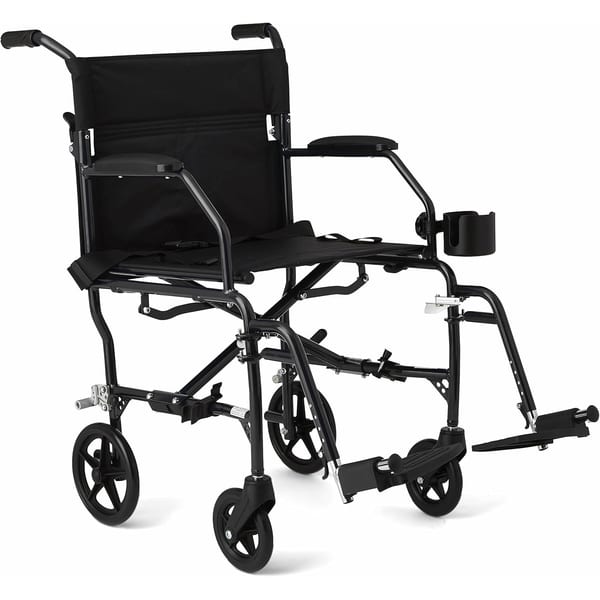
Our top pick is the Medline Ultralight Transport Chair (Fit Score 8.4): the travel and errands champion when someone else does the pushing.
An editorial score from published specs and owner feedback, not a lab test.
An editorial score from published specs and owner feedback, not a lab test.
Pros
Very light aluminum frame is easy to lift into any trunk
Folds compact with a folding backrest for travel
Flat-free tires and locking hand brakes for the attendant
Cons
Cannot be self-propelled (small rear wheels)
Firmer seat than a full wheelchair
The travel and errands champion when someone else does the pushing. It is light enough to load one-handed and folds small, which is exactly what you want for appointments and trips. Read our full Medline Ultralight Transport Chair review.
An editorial score from published specs and owner feedback, not a lab test.
Pros
Light aluminum frame with a built-in carry handle
Padded fixed armrests and a nylon seat that wipes clean
Locking rear brakes the attendant can reach easily
Cons
Not self-propellable
Seat back is non-reclining
A close runner-up to the Medline for caregivers, light, foldable, and easy to push. A great pick when a parent needs a chair for longer outings but not full-time use. Read our full Drive Medical Fly-Lite Transport Chair review.
Specifications
Drive Medical Fly-Lite Transport Chair specifications
An editorial score from published specs and owner feedback, not a lab test.
Pros
Self-propel design with durable, flat-free rear tires
Swing-away, removable footrests make transfers easy
Multiple seat widths and a proven, dependable frame
Cons
Steel frame is heavy to lift
Basic seat padding for very long sits
The dependable everyday wheelchair. If the user will self-propel, the Cruiser III is durable, widely supported, and well-priced, with the seat-width options to get a proper fit. Read our full Drive Medical Cruiser III Wheelchair review.
Specifications
Drive Medical Cruiser III Wheelchair specifications
An editorial score from published specs and owner feedback, not a lab test.
Pros
Lighter than a standard steel chair, easier to fold and load
Self-propel wheels with push-to-lock brakes
Strong value for a full-feature folding wheelchair
Cons
Standard seat cushion for long days
Heavier than a transport chair
The value self-propel wheelchair. You get a lighter frame and the features that matter without the premium price, a sensible default if the user moves themselves. Read our full Medline Lightweight Folding Wheelchair review.
Four things that decide whether a wheelchair actually fits your life.
Self-propel wheelchair vs. transport chair
Choose a standard wheelchair (large rear wheels) if the user will move themselves. Choose a transport chair (four small wheels, lighter, folds smaller) if a caregiver always pushes. Transport chairs are easier to travel with but cannot be self-propelled.
Weight and portability
Standard steel chairs run heavy (35–40 lb). Lightweight aluminum chairs (25–34 lb) and ultralight transport chairs (under ~20 lb) are far easier to fold and lift into a trunk, which matters every single trip.
Seat width and comfort
Seat width is the key fit spec, measure the user hip-to-hip and add an inch or two. Padded, breathable seats and a higher back add comfort for longer sits; removable, swing-away footrests make transfers easier.
Wheels and where you go
Larger rear wheels and pneumatic (air) tires roll more smoothly over rough ground; solid tires never go flat and need no upkeep. For mostly-indoor or smooth-pavement use, solid tires are the low-maintenance pick.
Wheelchairs & Transport Chairs: frequently asked questions
Self-propel wheelchair or transport chair, which is right?
Choose a self-propel wheelchair (large rear wheels) if the user will move themselves. Choose a transport chair (four small wheels, lighter, folds smaller) if a caregiver always pushes.
What is the best lightweight wheelchair?
Lightweight aluminum chairs (25-34 lb) and ultralight transport chairs (under ~20 lb) are far easier to fold and lift than standard steel chairs (35-40 lb). Our picks note each chair’s weight and type.
How do I pick the right wheelchair seat width?
Measure the user hip-to-hip and add an inch or two. Padded, breathable seats and swing-away, removable footrests add comfort for longer sits and make transfers easier.
Get our free Everyday Mobility Cheat Sheet
The measurements, weight limits, and fold-and-fit details that make a daily-use aid work, on one page, plus our current top picks. One email, no spam.
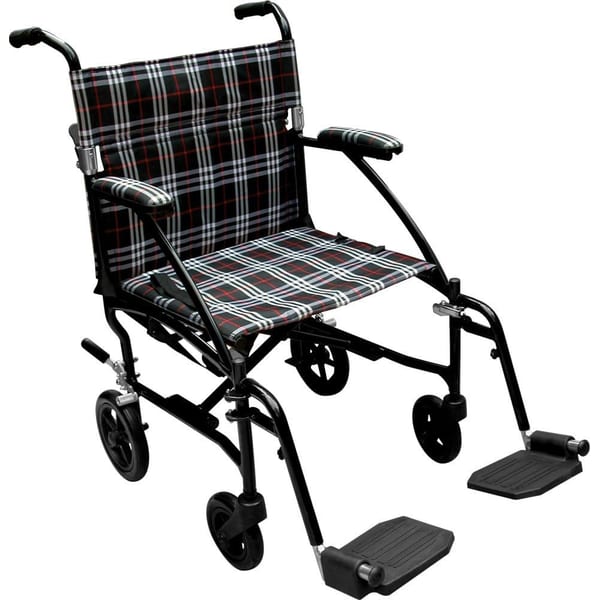 Drive Medical Fly-Lite Transport Chair
 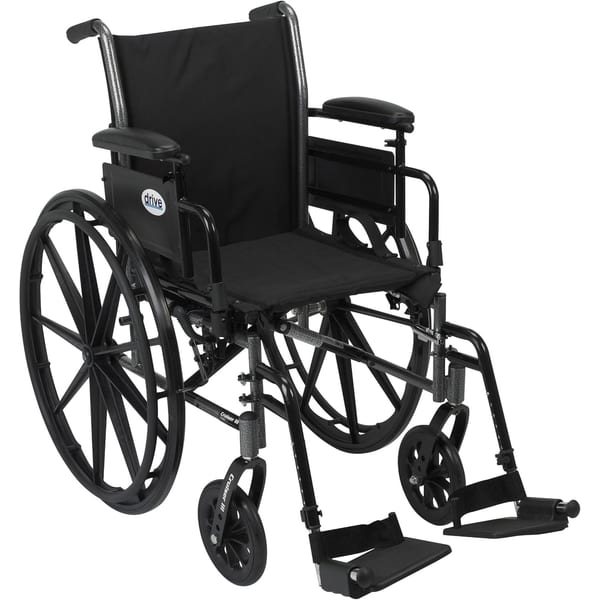 Drive Medical Cruiser III Wheelchair
 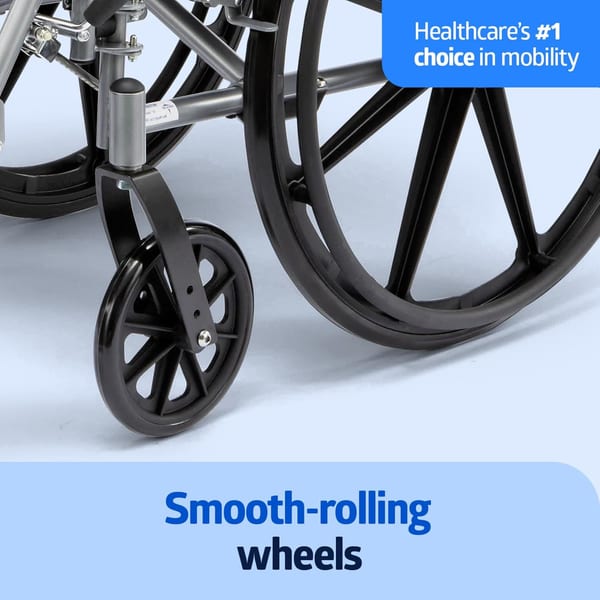 Medline Lightweight Folding Wheelchair